

Dark Horse Meaning: Origin, Examples, & How to Use It Correctly
Have you ever heard someone called a dark horse and wondered what it means? The phrase dark horse describes a person, team, or competitor who is not widely known or…
Read More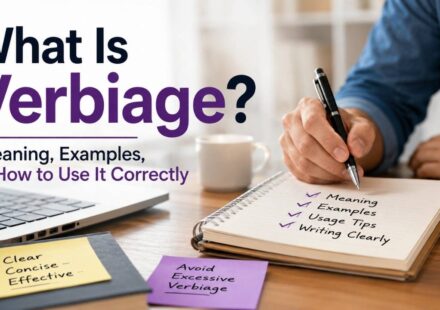
What Is Verbiage? Meaning, Examples, & How to Use It Correctly
Have you ever read a sentence that felt too long, too complicated, or filled with unnecessary words? That’s often where the term verbiage comes in. But what is…
Read More
Is It Correct to Say “I’m at Your Disposal”? Meaning + Examples
Have you ever wondered whether it’s correct to say “I’m at your disposal” in an email, at work, or during a formal conversation? While the…
Read More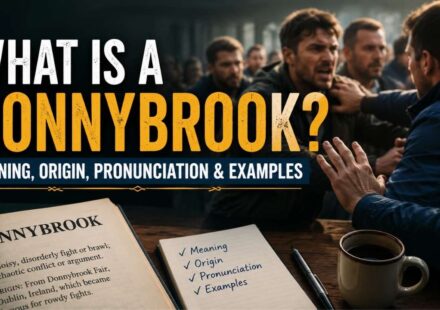
What Is a Donnybrook? Meaning, Origin, Pronunciation & Example
Have you ever heard someone say, “The meeting turned into a donnybrook,” and wondered what they meant? If so, you’re not alone. Donnybrook is an…
Read More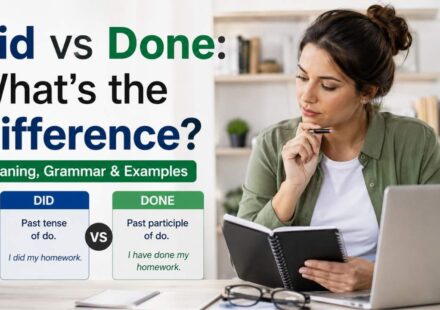
Did vs Done: What’s the Difference? Meaning, Grammar + Example
Have you ever wondered whether you should say “I did my homework” or “I have done my homework”? If so, you’re not alone. Many English…
Read More
Understanding Italicization of Video Game Titles Across different style
Understanding italicization of video game titles is important if you want your writing to look clear, professional, and grammatically correct. Whether you’re…
Read More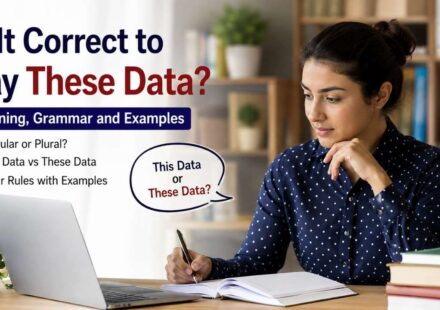
Is It Correct to Say These Data? Meaning, Grammar and Examples
Have you ever wondered, “Is it correct to say these data?” If so, you’re not alone. Many English learners, students, researchers, and professionals…
Read More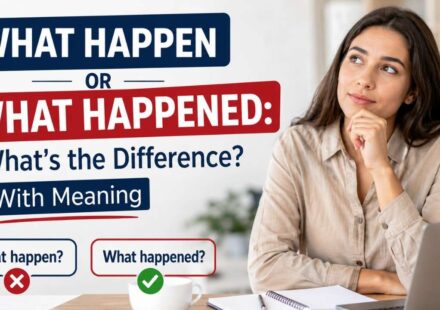
What Happen or What Happened: What’s the Difference?
Have you ever wondered whether “What happen” or “What happened” is the correct phrase? You’re not alone. Many English learners,…
Read More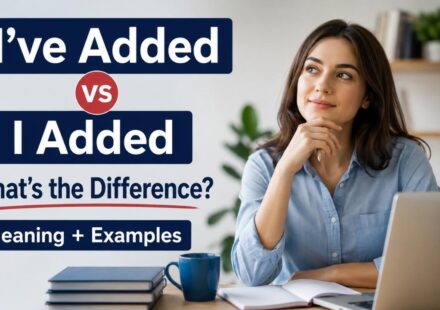
I’ve Added vs I Added: What’s the Difference? Meaning + Examples
Have you ever paused while writing an email or message and wondered whether you should write “I’ve added” or “I added”? Although both…
Read More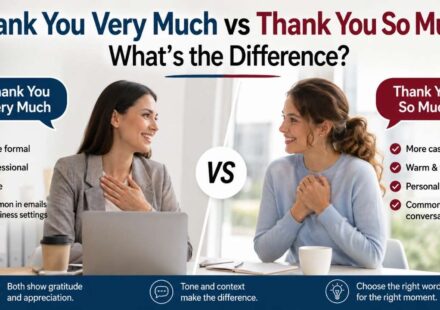
Thank You Very Much vs Thank You So Much: Which one is correct
Have you ever wondered whether you should say “thank you very much” vs “thank you so much”? While both expressions are grammatically correct…
Read More