

From the Get-Go Meaning: Definition, Usage, Examples, and Origin
From the get-go meaning is simple: it refers to something that happens from the very beginning or from the start. If you have ever wondered what does from the get-go…
Read More
Tomatoes or Tomatos: Correct Spelling, Meaning, and Rules
Many English learners and writers often wonder whether “tomatoes” or “tomatos” is the correct spelling. This confusion happens because many people follow the simple…
Read More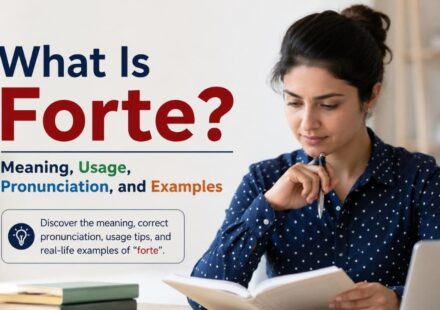
What Is Forte? Meaning, Usage, Pronunciation, and Examples
Have you ever heard someone say, “Writing is my forte,” and wondered what forte really means? Many people see this word in conversations, books, or professional…
Read More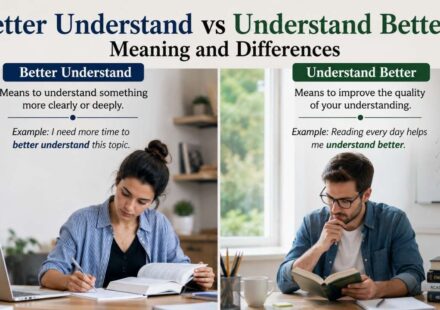
Better Understand vs Understand Better: Meaning and Differences
Many English learners ask, “Is it better understand vs understand better?” This question appears often because both phrases look similar, sound natural,…
Read More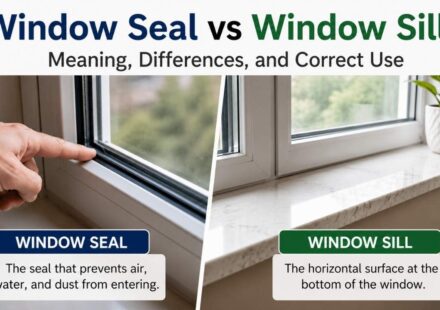
Window Seal vs Window Sill: Meaning, Differences, and Correct
Many people use the terms window seal vs window sill as if they mean the same thing. However, these two window components serve very different purposes. If you have…
Read More
Safe Travel or Safe Travels: Meaning, Difference, & correct usage
The phrases “safe travel” and “safe travels” often confuse English learners and writers. Both look similar, but they are used in different ways depending on meaning…
Read More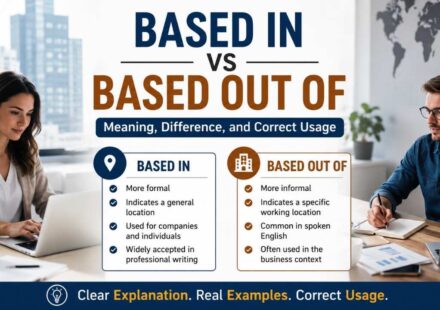
Based In vs Based Out of: Meaning, Difference, and Correct Usage
Many English learners and even professionals get confused when they see phrases like “based in” and “based out of.” At first, both look similar, but they do not…
Read More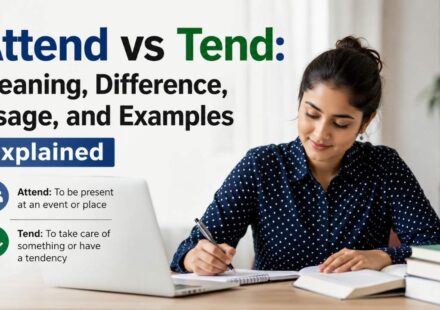
Attend vs Tend: Meaning, Difference, Usage & Examples Explained
Many English learners get confused when they see “attend vs tend” because both words sound similar and sometimes appear in related sentences. However, their meanings…
Read More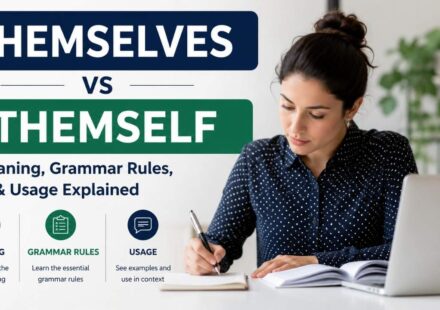
Themselves vs Themself: Meaning, Grammar and Usage Explained
The confusion between themselves vs themself is very common in modern English writing. Many learners wonder whether “themself” is correct grammar or if only…
Read More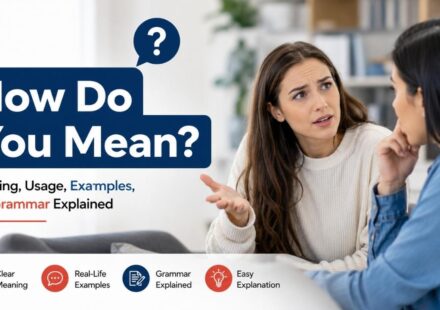
How Do You Mean? Meaning, Grammar Usage, and Examples
Have you ever heard someone say something confusing and wanted them to explain it further? In such situations, many English speakers use the phrase “How do you…
Read More